Remodel cleaning
A finished room can leave dust beyond the work area. Describe the renovation and adjoining spaces so the cleaning boundary is clear.
Final interior cleaning after completed construction or remodeling.
San Diego Post Construction CleaningCheck remaining trade work, room boundaries and surface condition before requesting a final clean.
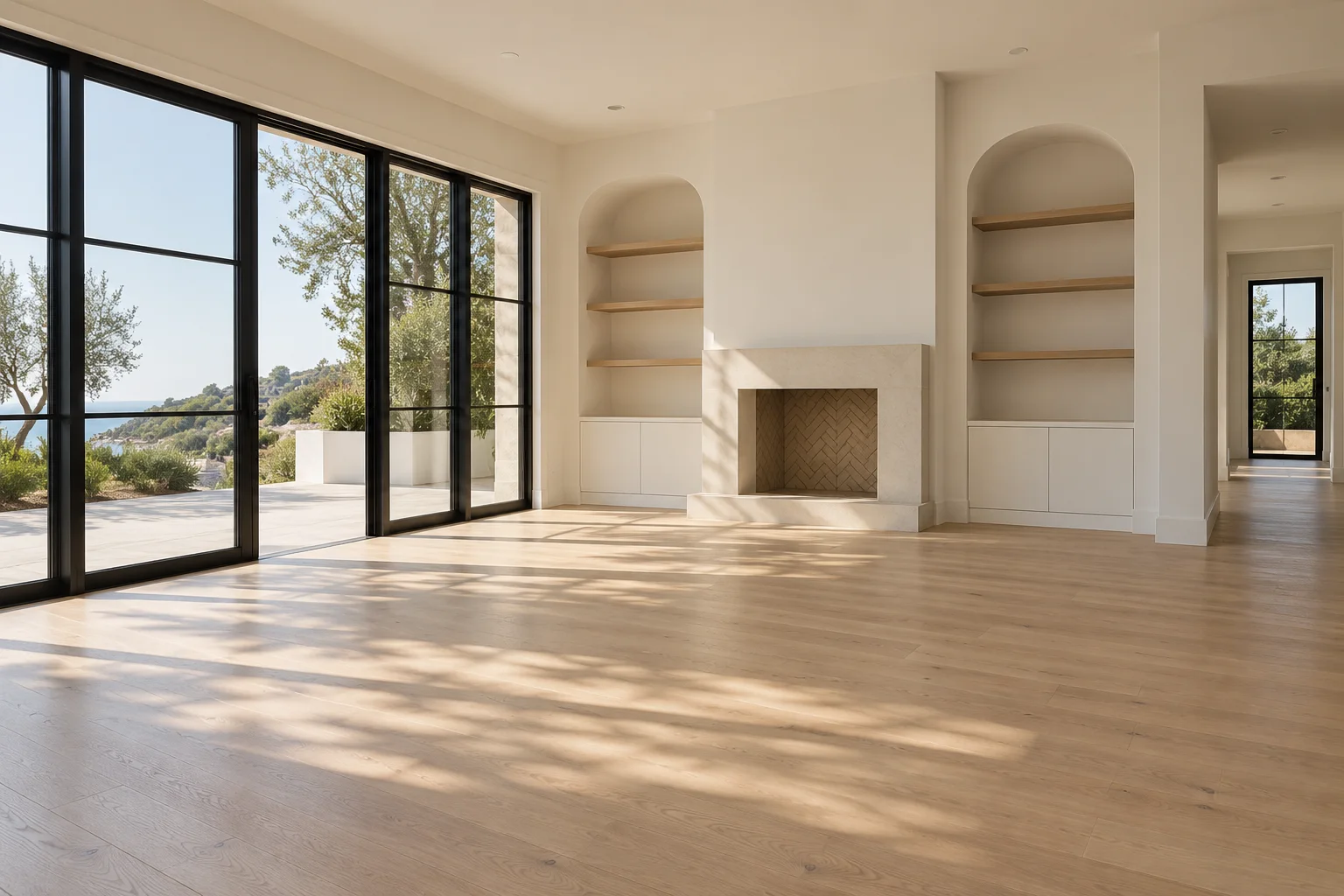
Illustrative image — AI generated.
A final clean works best when trades have finished the building work. If trades are still on site, fresh dust settles on surfaces someone just wiped. This guide helps the person coordinating the project check a property before asking for a final clean.
Start with the work list. Painters, flooring installers and finish carpenters make the fine dust a final clean is meant to remove. If any of them still have work booked, the clean is early.
Ask each trade lead to confirm their last day on site. Walk the property after that day, not before. Small touch-ups may be fine, but sanding or cutting afterward puts dust back on every ledge.
Offcuts, packaging, empty buckets and spare materials pile up during a job. Clear them before you send a request, or say plainly that they're still there. Those details help the operator assess the scope against the actual site.
Look in closets, garages and under stairs. These spots collect scraps that are easy to miss.
Walk each room in daylight. Write down anything that looks like more than dust, such as paint spatter, grout haze, adhesive, or labels on glass. Some of it may need the trade that left it, or a specialist. Listing it up front means nobody assumes it's in scope.
Name the rooms that are part of the request and the rooms that are off limits. Record whether water and power are available. Ask which utilities the visit needs before agreeing on the scope. Describe how entry will be coordinated, but do not put door codes, alarm codes or key locations in the form.
Every trade has confirmed its last day on site.
The trades have finished sanding and cutting.
List any debris and spare materials that remain.
Name each room in scope and mark rooms to leave alone.
Record water and power availability.
Describe surface problems beyond dust.
Name an entry contact without sharing security codes.
Accessible interior surfaces may be considered for removal of ordinary dust and cleaning residue, with the actual tasks agreed during assessment. Identify shelves, cabinet interiors, ledges, trim, fixtures and floors where you want attention. Include interior glass or other specific items in the description rather than assuming every surface is included.
Bulky debris removal, active construction work, hazardous-material handling and specialist restoration are outside this offer. Cleaning does not complete a punch list, repair a finish or correct installation defects. If a surface has an unexplained mark, say what you know and leave the cause open.
For adhered residue, describe both the substance and the surface underneath it. A paint spot on glass presents a different question from a mark on a coated cabinet. No removal method or outcome is promised from a short description alone. Areas needing specialist advice should be identified before the cleaning scope is accepted.
When the checklist is done, send the details through the request form. Include the room list, the surface items you found, and the day the trades finished. Bravo Maids assesses the cleaning scope and availability.
Bulky construction debris and waste removal are outside this final interior cleaning scope. Arrange their removal with the responsible party, and describe any remaining material before requesting cleaning.
Removal cannot be assumed. The finish, material and type of residue need assessment. Paint, adhesive and grout residue may require a separate decision, and defects or damage are not cleaning tasks.
Tell Bravo Maids before arrangements are confirmed. Further work can create more dust or marks. A later visit is a separate scope and availability decision; it is not automatically included.
Share the rooms, project stage and handover date. Bravo Maids will assess the cleaning scope and availability.
Request a clean